Rental Arbitrage Freedom
Open course resource →Australian Compliance Stack Map
List every layer, responsible party, evidence source and review date for the exact property.

MODULE 19
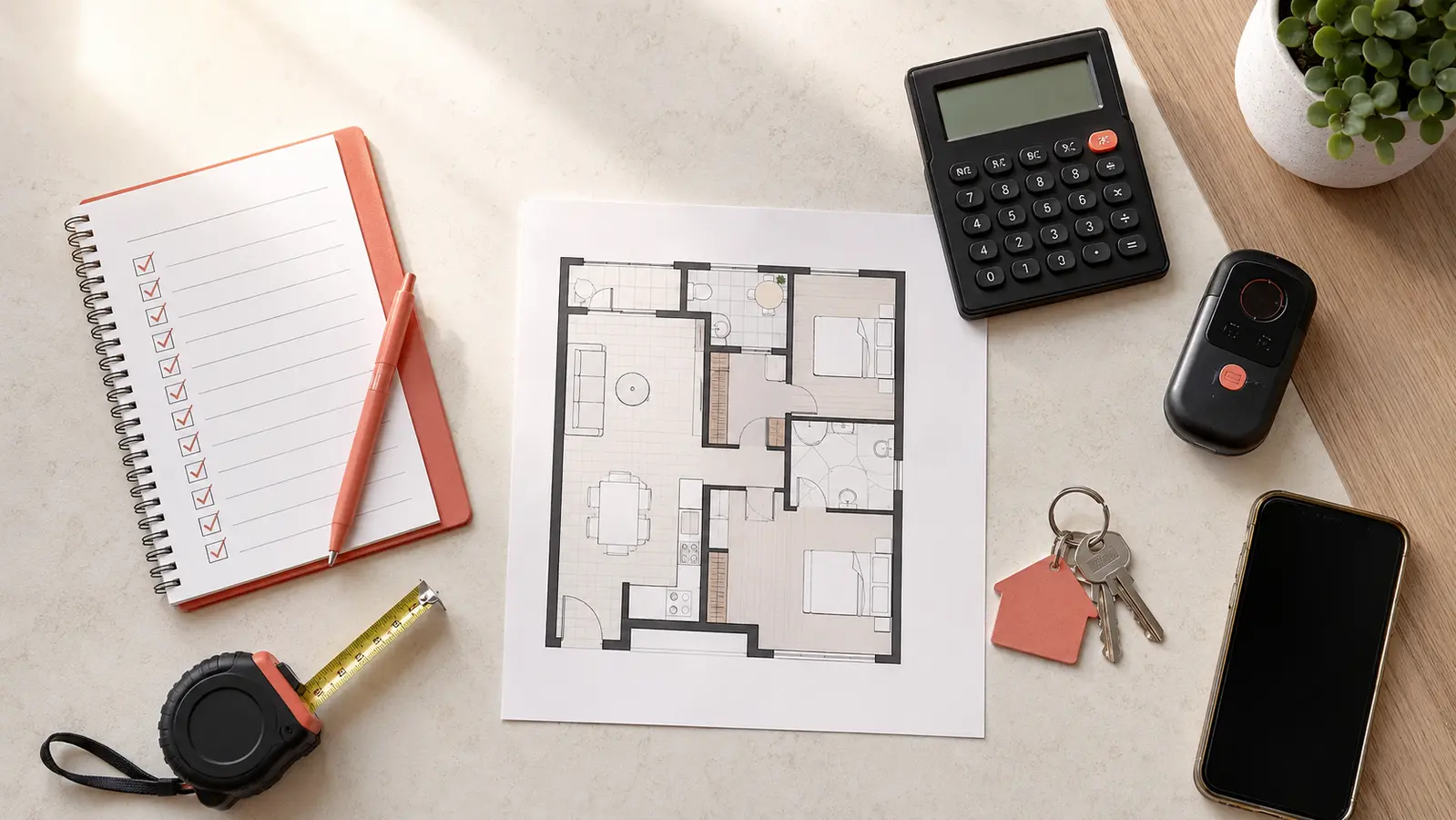
There is no single Australian “Airbnb approval.” A property may need state registration, council approval, strata permission, building and fire controls, owner consent, suitable insurance and tax treatment. Passing one layer does not override another.
Map the layers that can regulate one Australian property.
Distinguish permission from each relevant approval.
Build an address-level compliance evidence file.
A property may involve owner consent, the lease or management agreement, strata or community-title rules, state or territory short-stay settings, local planning controls, building classification and safety, insurance, tax, consumer, privacy and platform requirements. Clearance at one layer does not clear the others.
Start with the actual address and proposed operation: guest type, stay length, hosted or unhosted use, occupancy, services, access and frequency. Small changes in facts can change the questions that must be asked.
Prefer current primary material and property-specific written responses: legislation and regulations, government guidance, planning instruments, registers, by-laws, approvals, executed agreements and written insurer confirmations. A social post, competitor listing or verbal comment may identify a question but should not close it.
Record source, URL or document, date checked, address, question asked, response, limitations, expiry and reviewer. Save copies where lawful because webpages and policies change.
Approval is not a one-off launch task. Registrations expire, levies and reporting change, by-laws can be amended, insurance renews and the operating model may drift. Create monthly and annual review triggers.
Use qualified Australian legal, planning, tax, insurance and building professionals for conclusions outside the course. The course teaches the investigation workflow, not a property-specific legal opinion.
An operator registers a property on a state portal and assumes it is legal. The building by-laws restrict short stays and the insurer has not accepted the use. The registration is one item in the evidence file, not permission to ignore other layers.
List every layer, responsible party, evidence source and review date for the exact property.
Identify licences, permits and regulatory contacts that may apply to the business and location.
No. Owner, contract, strata, planning, building, insurance and other requirements remain separate.
The exact address and a precise description of the proposed operation.
Only when every relevant layer has an evidence-backed status and unresolved matters have been professionally addressed; it must then be maintained.
Commonwealth tax and consumer law
State or territory rules
Local council planning and local laws
Strata, owners corporation or body corporate rules
Lease and owner consent
Building, fire and life safety
Insurance
Booking and occupancy classification
Create a compliance folder for the address
Identify every relevant authority and decision-maker
Obtain written advice or evidence for each layer
Record expiry and renewal dates
Do not launch until all applicable gates are passed
Eight-gate audit
Government correspondence
Approvals and registrations
Lease documents
Insurance confirmations
Renewal calendar
Assuming state registration is permission to operate
Relying on another listing in the building
Using verbal council advice without notes
Treating owner consent as strata consent
Launching while insurance is unresolved