Rental Arbitrage Freedom
Open course resource →Lease and Deal-Protection Term Sheet
Prepare commercial instructions for independent legal review.

MODULE 21
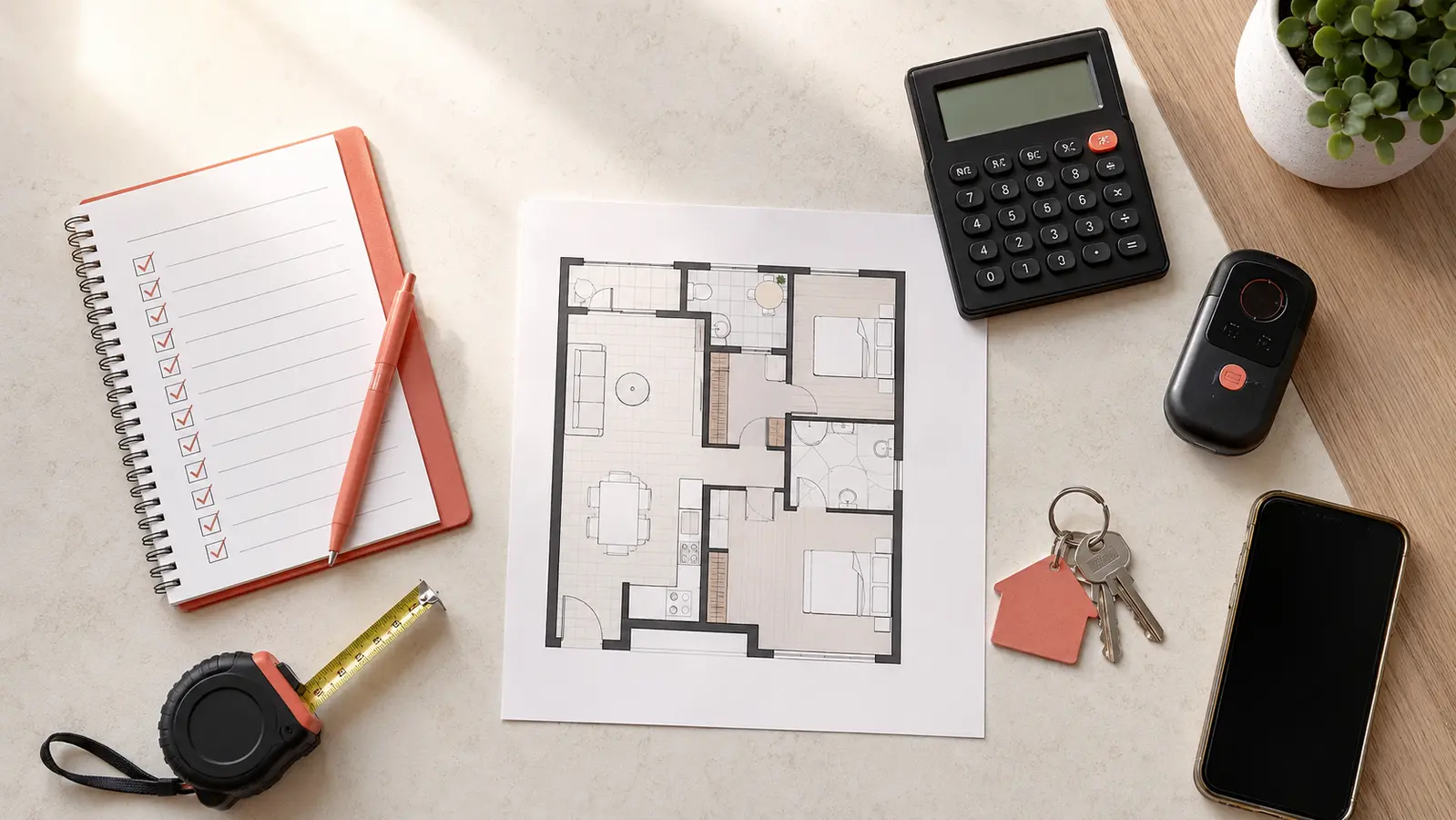
An otherwise profitable deal can fail because the lease ignores setup access, approval timing, future regulation, building works, renewal or furniture ownership. Negotiation should follow due diligence rather than being driven by fear of losing the property.
Negotiate terms around the real operating risks.
Use conditions and exit mechanisms deliberately.
Prepare a solicitor-ready commercial term sheet.
Rent is only one term. Consider commencement, fit-out access, bond or security, utilities, furnishings, alterations, make-good, maintenance, inspections, guest use, common property, keys, signage, assignment, renewal, default and dispute processes.
Map each obligation to the party that can control it. Do not accept absolute obligations for matters controlled by an authority, building, platform or owner.
Where lawful and commercially acceptable, negotiate sufficient time to complete checks before full rent or irreversible setup expenditure. Address what happens if a required approval is refused, delayed, withdrawn or later made commercially unworkable.
Do not assume a generic break clause will protect every scenario. Have the final wording reviewed by an Australian lawyer who understands the disclosed model and jurisdiction.
A viable property can become unviable through rent review, levy, rule changes, building works or demand changes. Start renewal analysis well before the notice deadline and require updated compliance and financial evidence.
Keep a deviation schedule showing where the signed agreement differs from the operating plan. Train anyone managing the property on those boundaries.
An operator negotiates four rent-free weeks but accepts a long fixed term with no protection if planning advice is adverse. The apparent concession is small beside the downside. A better term sheet prioritises approval conditions and exit consequences before cosmetic incentives.
Prepare commercial instructions for independent legal review.
Track negotiated limits, dates, approvals and operational obligations.
Term, security, setup, responsibilities, approvals, renewal and exit can create greater value or risk.
An appropriately qualified Australian lawyer briefed on the exact operation and jurisdiction.
Before notice and negotiation deadlines, with enough time to reassess compliance and economics.
Rent, term, review and renewal
Setup access and rent commencement
Utilities, maintenance and furniture
Inspection, reporting and access
Approval conditions and early exit
Regulatory change and major building works
Rank your must-have, preferred and tradeable terms
Identify the owner’s likely priorities
Calculate the maximum viable rent
Prepare evidence for each request
Document heads of agreement and obtain professional review
Negotiation planner
Maximum-rent calculation
Heads of terms
Walk-away checklist
Final signed lease
Offering above-market rent to secure a yes
Signing before approvals are known
Ignoring rent-review mechanics
Accepting personal guarantees without understanding exposure
Failing to define who owns furniture at exit