Rental Arbitrage Freedom
Open course resource →Strata Evidence Request
Request current rules, policies, minutes, notices and access requirements.

MODULE 22
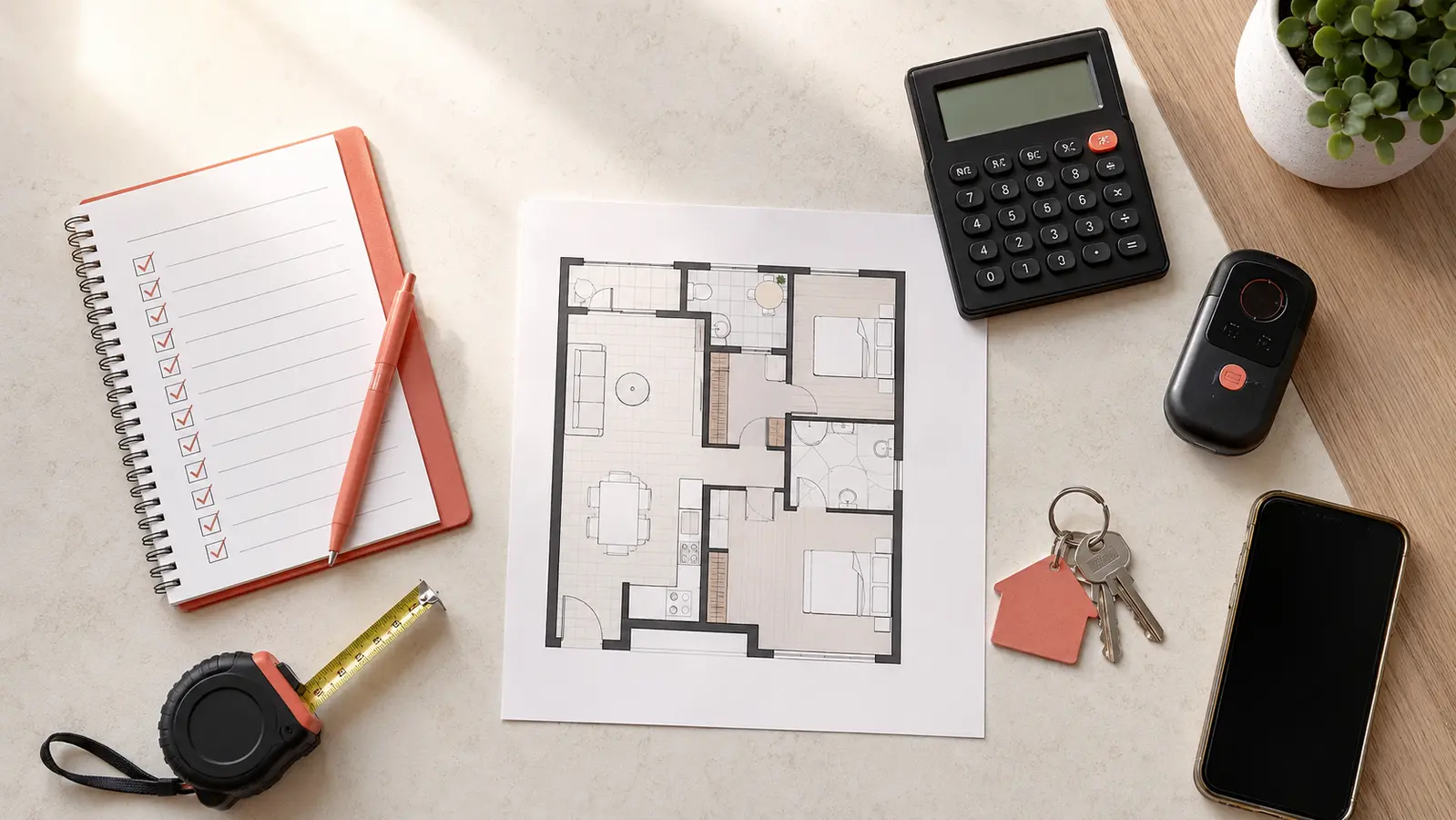
Apartment and townhouse schemes can regulate behaviour, access, parking, common property and in some jurisdictions short-stay use itself. The owner’s approval cannot automatically override a valid scheme rule.
Read strata and community-title evidence systematically.
Assess common-property and amenity impacts.
Avoid treating owner consent as building consent.
Request current registered by-laws or rules, recent amendments, relevant meeting minutes, building policies, move and access procedures, parking rules and any short-stay decisions. Marketing statements and an owner's recollection are not substitutes for the documents.
Check the jurisdiction because terminology and powers differ. Ask a strata specialist or lawyer to interpret restrictions and validity where the conclusion matters.
Assess fob and key limits, visitor entry, lifts, concierge, loading, waste, parking, balconies, pools, gyms, quiet hours, signage and emergency access. A model can be legally arguable yet operationally poor and harmful to residents.
Design guest instructions and incident response around building rules. Do not instruct guests to misrepresent their stay or bypass security.
Monitor notices, meetings, complaints and rule changes. Maintain a local contact and respond quickly to building concerns. Escalation records should show facts, action and prevention.
Owner consent and strata suitability are separate. Where the building environment is hostile or unresolved, reject or pause rather than relying on weak enforcement assumptions.
An owner believes short stays are common in the tower. Current by-laws have not been supplied, and access requires concierge-issued passes. The operator marks both items unresolved and does not sign until the documents and operational process are reviewed.
Request current rules, policies, minutes, notices and access requirements.
Understand how NSW strata by-laws interact with short-term rental accommodation; other jurisdictions require their own review.
No. They are separate layers.
Access limits can make turnovers, emergencies and guest compliance unworkable even before legal questions are resolved.
Conceal or misrepresent their stay, tailgate, bypass security or breach building rules.
Current registered rules and by-laws
Meeting minutes and proposed changes
Access cards, keys and building manager controls
Parking, rubbish and amenity rules
Noise, nuisance and occupancy
Insurance and on-site management arrangements
Obtain current scheme documents
Review recent minutes and disputes
Speak with the authorised building contact where appropriate
Compare rules with the proposed operation
Document conditions, risks and the final decision
Current rules/by-laws
Meeting minutes
Building manager procedures
Parking allocation evidence
Written confirmations
Relying on the owner’s memory of the rules
Assuming silence equals consent
Ignoring a proposed ban in meeting papers
Overlooking limited fob access
Treating common-property instructions as optional