State Revenue Office Victoria
Open official reading ↗Understanding the short stay levy
Check current liability, exclusions, registration, reporting and payment guidance.

MODULE 27
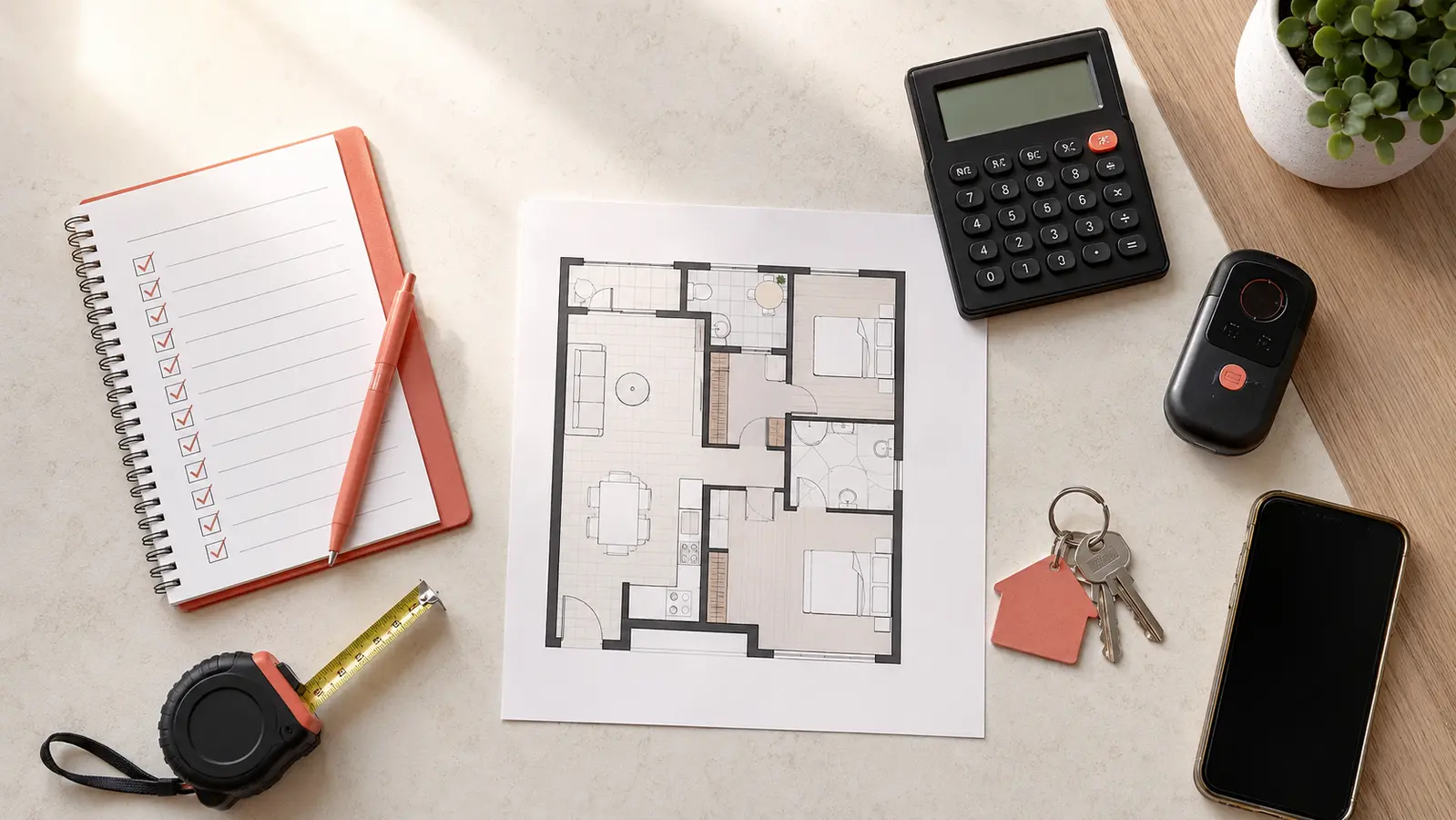
Victoria’s short-stay levy is 7.5% of the total booking fee for stays of less than 28 consecutive days. A platform generally handles the levy for bookings it facilitates; where an owner or tenant accepts a direct booking, that person may be responsible. Owners corporations have powers to make rules prohibiting short-stay accommodation in relevant non-principal-residence lots by special resolution. Council planning and ordinary rental-provider consent remain separate.
Account for Victoria's short-stay levy and owners-corporation environment.
Verify local planning and building requirements.
Model tax and rule changes conservatively.
Victoria requires an address-level review of owner consent, agreement terms, owners-corporation rules, council planning, building and safety, insurance and the current short-stay levy framework. A statewide levy does not replace local or building checks.
Use the State Revenue Office material to identify who may be liable, taxable booking amounts, exclusions, registration, reporting and payment requirements. Obtain tax advice for the actual structure.
Obtain current rules and decisions for the building. Victorian rules and remedies can change, and the validity or application of a restriction may require legal advice.
Model building amenity: access, waste, parking, noise, common facilities and complaint response. A property that creates repeated resident conflict is not a scalable asset.
Include levy, platform, payment and administration effects in each scenario rather than absorbing them in a vague cost percentage. Confirm whether prices shown to guests and records meet current requirements.
Recheck official sources at underwriting, before launch and on renewal because levy administration and building rules can change.
A Melbourne forecast uses gross platform revenue but omits the short-stay levy and administration. Once the operator adds current levy treatment, platform charges and downside occupancy, the margin falls below the approval threshold.
Check current liability, exclusions, registration, reporting and payment guidance.
Review current owners-corporation rule guidance and obtain property-specific advice.
No. It is separate from consent, contract, owners-corporation, planning, building, safety and insurance requirements.
The State Revenue Office Victoria and a qualified adviser for the structure.
Compliance requires time, records and cash-flow management as well as the levy amount.
7.5% levy base and stays under 28 days
Platform-facilitated versus direct bookings
Principal-residence and hosted nuances
Owners corporation special-resolution powers
Unruly party and amenity controls
Council planning and written rental-provider permission
Obtain express owner permission
Review all owners corporation rules and minutes
Ask council about planning and building requirements
Map each booking channel and levy responsibility
Model guest price and net revenue including levy
Create a building amenity and complaint plan
Owners corporation records
Council response
Channel-by-channel levy matrix
Levy records
Quiet-hours and visitor rules
Official sources: sro.vic.gov.au and consumer.vic.gov.au
Leaving the levy out of pricing
Assuming a direct booking automatically avoids all levy obligations
Believing owner consent overrides an owners corporation ban
Ignoring proposed rules in meeting minutes
Treating a longer stay as outside residential tenancy risk