Tasmanian Government CBOS
Open official reading ↗Short and medium term visitor accommodation
Review current planning, building and visitor-accommodation guidance.

MODULE 31
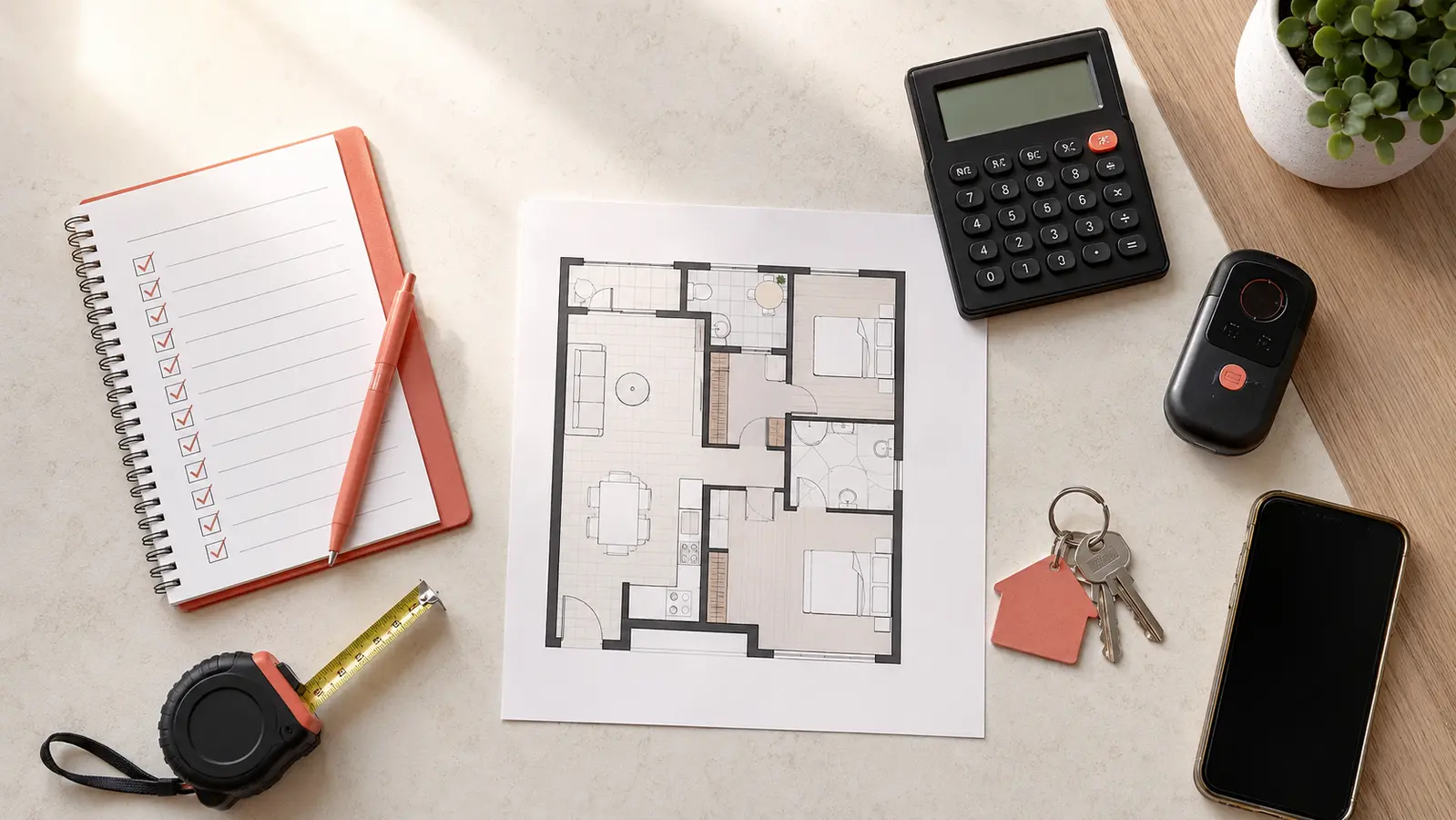
Tasmanian guidance directs prospective visitor accommodation operators to determine whether a planning permit is required through the local council process. Building guidance also recommends professional building assessment in relevant cases, including larger premises. Tasmania’s Short Stay Accommodation Act supports platform data reporting. A 5% levy Bill introduced in 2026 remained incomplete on the official parliamentary status reviewed for this course, so it must be treated as pending until official commencement is confirmed.
Use Tasmania's visitor-accommodation planning and safety pathway.
Check permit, existing-use and building requirements.
Monitor levy proposals without treating a bill as commenced law.
Begin with the exact council, planning scheme, existing use and proposed visitor-accommodation facts. Check whether a planning permit or exemption applies and whether building or safety work is required.
Use Consumer, Building and Occupational Services and council material, then obtain professional advice where classification or approval is unclear.
Keep owner consent, agreement terms, strata or body-corporate documents, planning evidence, permits, building and safety records, insurance and any required registration or reporting.
Do not infer permission from the presence of other visitor accommodation nearby.
Tasmanian levy proposals and bills may change through Parliament. Track official commencement, regulations and administrative guidance before adding a rule to operations.
Scenario-test possible future costs, but label them as scenarios rather than current liabilities until verified.
An operator sees news about a proposed short-stay levy and tells owners it already applies. The correction is to check Parliament and official revenue guidance, distinguish bill status from commencement and update the model only with verified dates and rules.
Review current planning, building and visitor-accommodation guidance.
Verify the status of any proposed levy legislation and later check official commencement guidance.
No.
By its verified parliamentary status, without presenting it as commenced law.
The exact council, address, existing use and proposed operation.
Council self-assessment and permit exemptions
Change of use and planning permits
Building size, classification and surveyor advice
Platform reporting framework
Pending levy monitoring
Cold-climate utilities and seasonality
Obtain owner permission
Complete the relevant council self-assessment
Confirm planning permit and building requirements
Review strata where applicable
Model current rules and a 5% levy scenario
Build winter, medical, government and medium-stay demand
Council self-assessment
Planning permit or exemption evidence
Building surveyor advice
Current and levy-scenario forecasts
Seasonality plan
Official sources: cbos.tas.gov.au and parliament.tas.gov.au
Treating the proposed levy as already operating
Ignoring building-use questions
Depending only on summer tourism
Underestimating heating and moisture costs
Assuming platform reporting creates planning permission