Rental Arbitrage Freedom
Open course resource →Property Safety and Asset Register
Record hazards, controls, inspection evidence, expiry and responsible parties.

MODULE 24
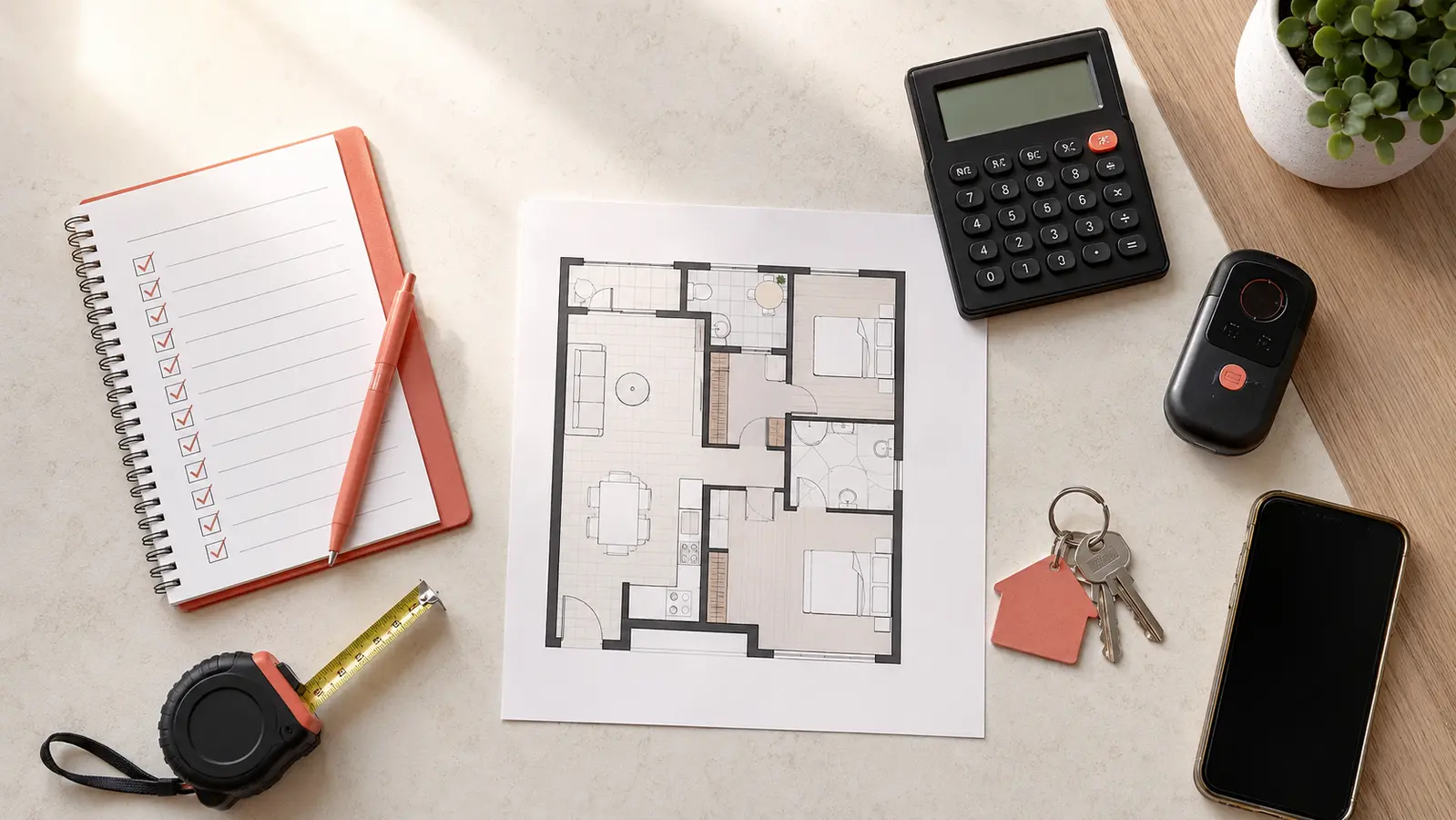
Short-stay operation changes who uses the property and how familiar they are with exits, appliances, pools and local hazards. Legal requirements vary, but a professional operator should systematically assess smoke alarms, evacuation, electrical and gas safety, occupancy, access and emergency response.
Identify building and life-safety questions for professional review.
Create a property safety file and inspection cadence.
Avoid self-certifying technical compliance.
The applicable building, fire and safety requirements depend on jurisdiction, building classification, approved use, occupancy, layout, services and other facts. Ask the relevant authority and qualified professionals whether the proposed operation affects classification, approvals or required measures.
Do not infer compliance from the presence of a smoke alarm or from another listing in the building.
Map exits, emergency contacts, alarms, lighting, electrical and gas concerns, pools and balconies, child hazards, furniture stability, trip risks, occupancy, first aid and severe-weather procedures. Use licensed trades and competent inspectors where required.
Provide guests with clear emergency information and never block exits or overload power points. Record defects, action, verification and closure.
Create a register of safety assets, inspection or service dates, responsible person and next due date. Photographing an asset is not proof it was tested.
Escalate urgent hazards immediately and stop use when safety cannot be assured. Commercial pressure never overrides a safety gate.
A property has visible alarms, so the operator assumes it is ready. The safety file shows no service records, unclear escape information and an unguarded balcony risk. Qualified contractors and the relevant authority are engaged before launch.
Record hazards, controls, inspection evidence, expiry and responsible parties.
Use the official code as a starting point and obtain jurisdiction- and property-specific professional advice.
No. Type, location, condition, testing and applicable requirements need evidence.
The relevant authority and appropriately qualified building, fire and safety professionals.
Pause or stop the affected use until it is made safe and verified.
Smoke alarms and fire equipment
Evacuation routes and emergency information
Building classification and change of use
Electrical, gas, pool, balcony and stair safety
Maximum occupancy and sleeping layout
Bushfire, cyclone, flood, heat and local hazards
Review jurisdiction-specific safety rules
Inspect the property with an appropriate professional where needed
Create an evacuation and emergency information plan
Rectify defects before occupancy
Schedule testing and retain records
Safety audit
Professional reports
Alarm and equipment records
Evacuation diagram
Emergency contact sheet
Testing calendar
Buying generic safety equipment without checking requirements
Blocking exits with furniture
Using unapproved sleeping spaces
Ignoring pool or balcony risks
Failing to retest equipment after setup changes