Rental Arbitrage Freedom
Open course resource →Three-Scenario Deal Calculator
Model revenue, full operating costs, setup, cash, break-even and payback.

MODULE 34
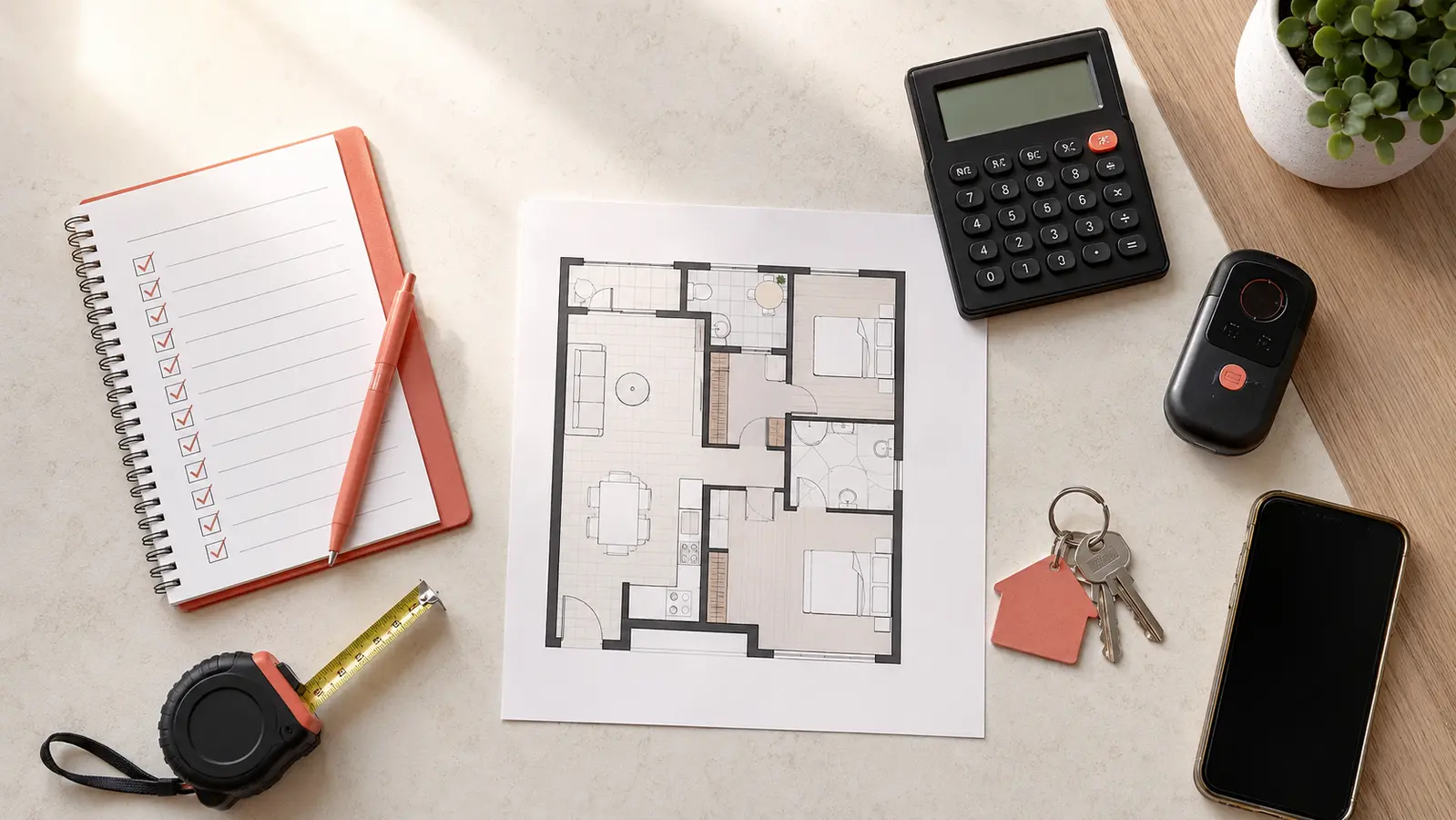
Revenue is not profit. A credible model includes rent, utilities, cleaning, linen, platform and payment fees, levies, insurance, software, maintenance, consumables, refunds, replacements, professional fees, labour, tax and vacancy. Assumptions should be based on comparable evidence rather than the highest visible rate.
Build base, conservative and downside property models.
Calculate break-even, cash requirement and setup payback.
Issue an evidence-backed go, renegotiate or reject decision.
Revenue depends on available nights, occupancy, average booked rate, stay length, cleaning and other fees, discounts, cancellations and channel mix. Use comparable evidence and keep assumptions visible.
Do not multiply a peak advertised rate by 365. Model seasonality and availability constraints month by month where material.
Include rent, utilities, internet, insurance, cleaning gaps, linen, consumables, platform and payment fees, software, levies, maintenance, replacements, refunds, labour, accounting and compliance. Separate profit from cash timing.
Add setup cost, bond, advance rent, furnishing, professional fees and a reserve. Calculate break-even occupancy and months to recover setup under each scenario.
Set approval thresholds before seeing the final result: minimum downside resilience, maximum payback, reserve after launch and failed-gate rules. Perform sensitivity tests on the few assumptions that drive the outcome.
A financially attractive property still fails if consent, compliance, safety or insurance gates fail. Issue one written decision with conditions and review date.
A model shows annual profit but ignores bond, setup GST timing, slow first-month bookings and replacement reserve. The cash forecast becomes negative in week six. The operator renegotiates commencement and reduces setup scope rather than approving from annual profit alone.
Model revenue, full operating costs, setup, cash, break-even and payback.
Use official business planning guidance as a starting point and obtain accounting advice for the model.
The occupancy at which contribution from booked nights covers the relevant fixed and variable costs under stated assumptions.
A property can appear profitable while requiring more cash than is available because receipts and payments occur at different times.
No.
Average daily rate, occupancy and RevPAR
Gross booking revenue versus net operating profit
Fixed and variable cost classification
Break-even occupancy and contribution margin
Setup capital and payback period
Downside tests and cash reserves
Build a base case from credible comparables
Add every operating and compliance cost
Calculate break-even occupancy
Model conservative and worst cases
Test setup payback and cash reserves
Issue a written go, renegotiate or reject decision
Comparable rate evidence
Monthly forecast
Setup budget
Stress-test results
Break-even calculation
Go/no-go memorandum
Using gross revenue as profit
Excluding your labour
Assuming cleaning fees always fully recover cleaning cost
Ignoring levies and refunds
Approving a deal that works only at peak-season rates