Rental Arbitrage Freedom
Open course resource →Address-Level Council Enquiry Template
Provide facts and request the applicable instrument, definition, pathway and evidence.

MODULE 23
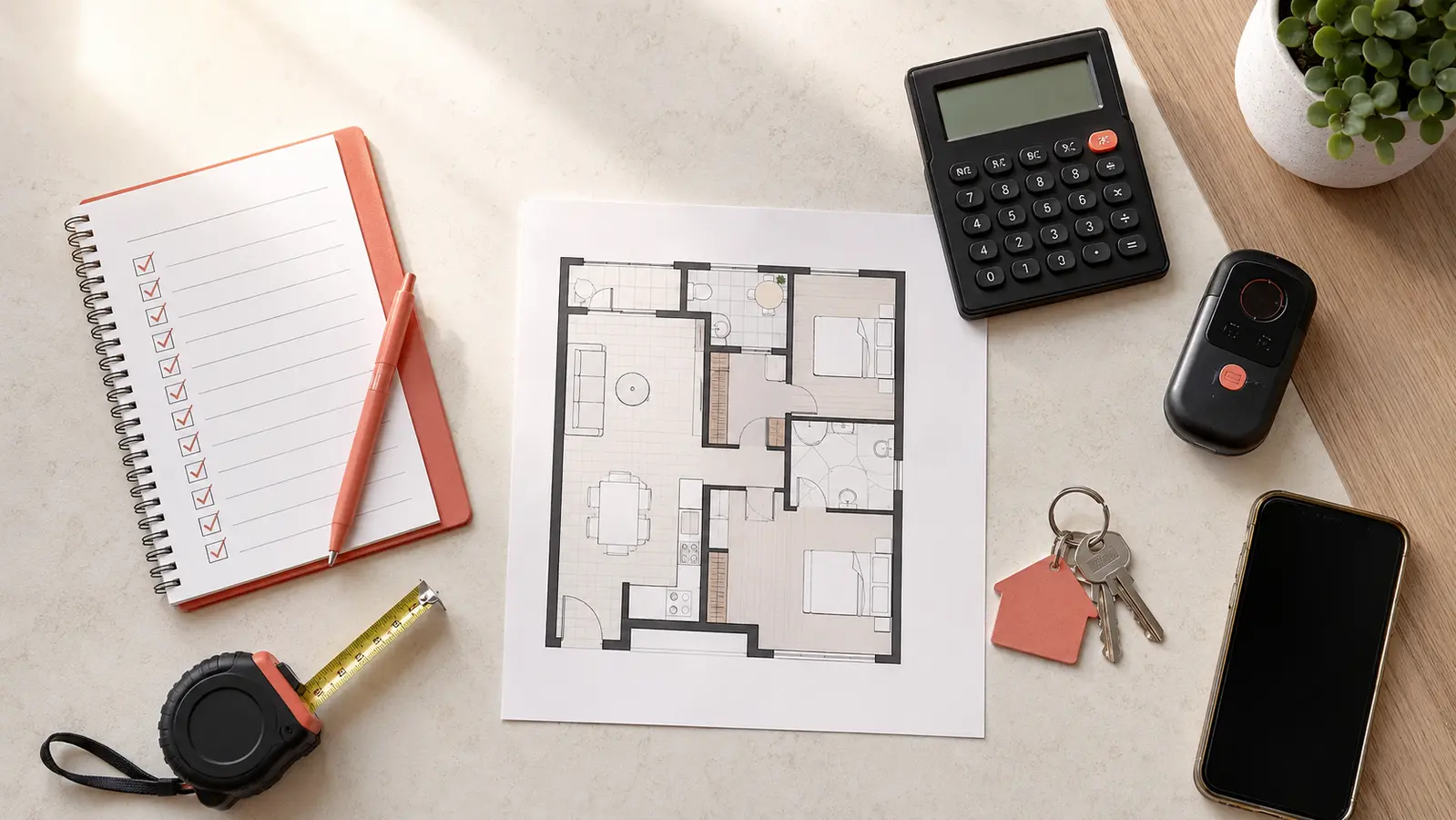
Planning treatment can depend on zoning, overlays, approved use, guest numbers, hosted status, parking, bushfire, heritage and local definitions. A general website summary is not a substitute for advice about the exact address and proposed operation.
Frame a precise address-level planning enquiry.
Distinguish informal guidance from formal approval.
Maintain a council evidence trail.
Council terminology varies. Give the address, current approved use, dwelling type, hosted or unhosted status, guest stay range, maximum occupancy, services, frequency and any physical works. Ask which planning instrument, definition and approval pathway apply.
A vague question such as 'Is Airbnb allowed?' can produce an answer that does not match the operation.
Record the officer, channel, date, exact question and response. Ask whether guidance is general or property-specific and whether a planning certificate, written advice or formal application is required.
Informal guidance can help scope work but may not be a determination. Use a qualified planner or lawyer where the classification, existing-use rights or approval pathway is uncertain.
Planning suitability includes amenity, parking, noise, waste, safety and complaint history. Build operational controls that address impacts rather than relying only on the absence of a complaint.
Recheck after material changes or regulatory updates. Save the documents relied on at the time of decision.
A learner asks a call-centre officer whether short stays are legal in the suburb and records 'yes'. They restart with the exact address and operating facts, request the applicable planning definition and pathway in writing, then obtain professional advice on the response.
Provide facts and request the applicable instrument, definition, pathway and evidence.
Identify the relevant local government and then use its official planning resources.
The brand name does not define the planning use or property facts.
No. Confirm its status and obtain the level of written or formal evidence required.
A change in use facts, property, rules, approval status or other material condition.
Zoning, precincts and overlays
Existing development consent and approved use
Change of use or material change of use
Exempt, accepted, code-assessable or discretionary pathways
Parking, waste, amenity and management plans
Written pre-lodgement and application advice
Define the proposed use accurately
Search the address and existing approvals
Prepare a concise written council enquiry
Record the officer, date, reference and response
Obtain formal approval where required before launch
Property planning report
Council enquiry
Development records
Application and conditions
Compliance diary
Asking “Can I Airbnb here?” without describing the model
Relying on a phone call remembered later
Assuming registration replaces planning approval
Ignoring existing consent conditions
Treating lack of enforcement as permission